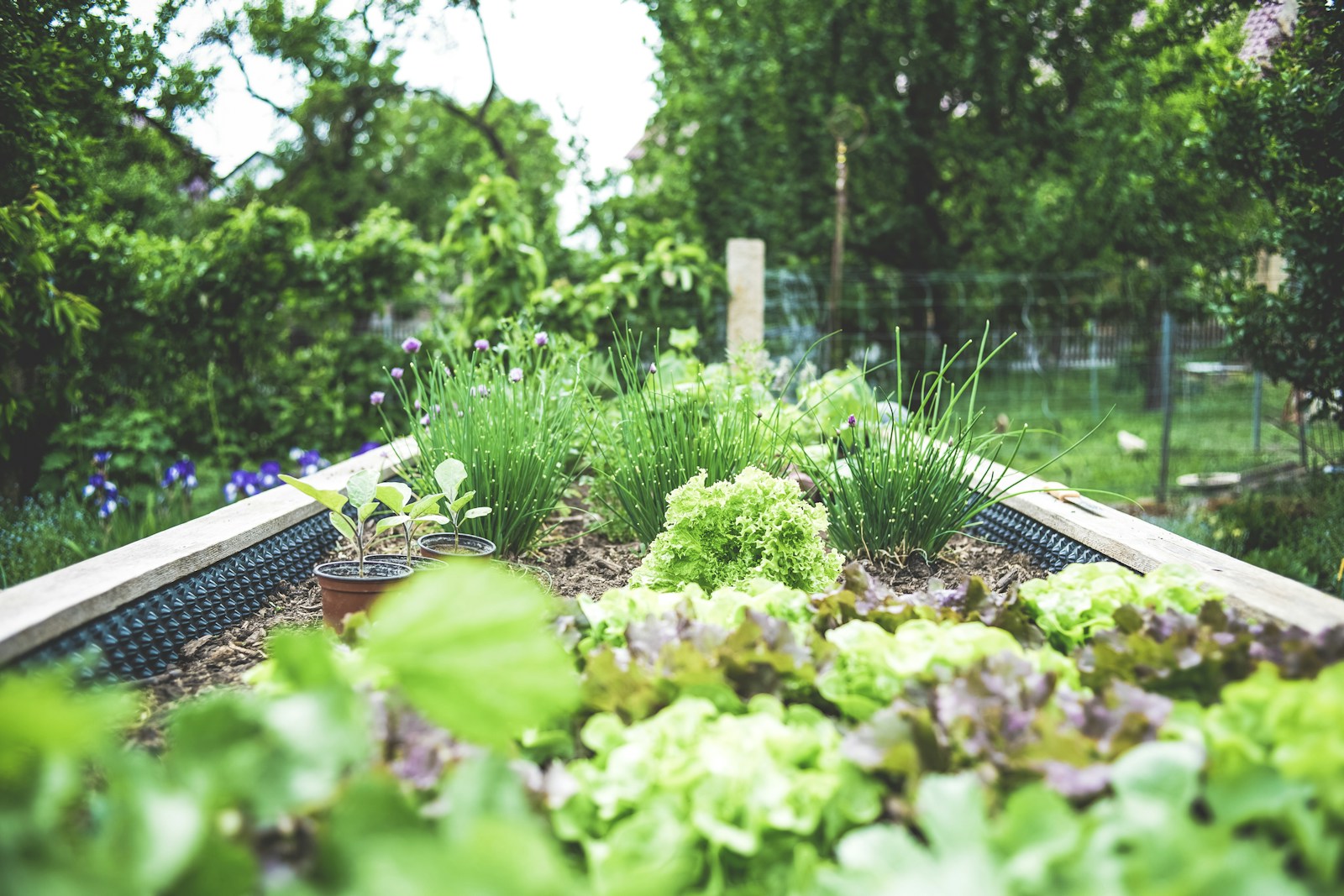
Synthetic NPK fertilizers are a quick fix, but they deplete the soil in the long run and leave residues. Eco-friendly fertilization builds the soil, not just feeds the plant. In this article, we go through the 5 best natural methods.
Compost, the foundation of all
Compost is the most important element of eco-friendly gardening. It contains all the nutrients, improves soil structure, retains moisture, and promotes the microbiome.
How to make good compost:
- 3:1 carbon:nitrogen (dry leaves + green grass)
- Layer of garden soil between layers
- Water occasionally (moist, not wet)
- Mix every 2-3 weeks
- Maturation: 6-9 months for a dark, crumbly product
Nettle fertilizer, liquid gold
Nettle fertilizer is the most underrated "tonic" for plants. A preparation with a high content of nitrogen, iron, and potassium, all in a quickly absorbable form.
Recipe:
- 1 kg of fresh nettle (young leaves, before flowering)
- 10 L of water (best rainwater)
- Ferment for 10-14 days, mix daily
- Filter through a cloth
- Dilute 1:10 for above-ground (spray on leaves), 1:20 for roots
Use: every 10-14 days during the main growing season.
Bone meal and long-term fertilizers
Bone meal, rosehip pellets, feather meal, all are slow-release fertilizers with a high content of phosphorus and nitrogen, releasing nutrients over 6-12 months.
Application:
- 200-300 g/m² bone meal in autumn or early spring
- 100-150 g/m² rosehip pellets before planting
- Shallowly bury (5-10 cm) or mix into compost
Biochar (biochar)
Biochar is charcoal made from organic waste at low temperature without oxygen. Adding it to the soil causes:
- Moisture retention (40% more)
- Habitat for beneficial microbes
- Binding of heavy metals
- Long-term (1000+ years) carbon storage
Dosing: 1-2 kg/m² once, best "inhabited" with microorganisms (mixed with compost 2 weeks before use).
Crop rotation and green fertilizers
The best long-term fertilizer is crop rotation with legumes. Fasel, beans, lupins, clover, all bind nitrogen from the air and enrich the soil.
Proposal for a 4-year rotation in the greenhouse:
- Year 1: Heavy feeders (tomatoes, cucumbers)
- Year 2: Leafy greens (lettuce, spinach)
- Year 3: Roots (carrots, radishes)
- Year 4: Legumes (beans, peas)
"Eco-friendly fertilization is not more expensive, it just requires planning. With good rotation and compost, we save 60-80% of fertilizer costs.", Bio-gardener from Goriška
We recommend for beginners: 1 m² compost pile + 2x yearly nettle fertilizer + autumn planting of beans. This is enough for the first 2 years.
Eco greenhouse, a thoughtful choice
Our polycarbonate greenhouses are 100% recyclable and last 20+ years. An ideal combination with eco-friendly gardening.
View greenhouses